
OSS v1.0 path ·Create, run, extend, and deploy an Auggy agent from the CLI. Read the README →
Meet Auggy

The modular agent runtime.

Create a chat-ready, self-hosted agent in four commands. Choose Anthropic, OpenAI, OpenRouter, or Ollama. Then add knowledge, notifications, Telegram, custom augments, and Railway deploy when you need them.

apache-2.0 · bun runtime · railway deploy

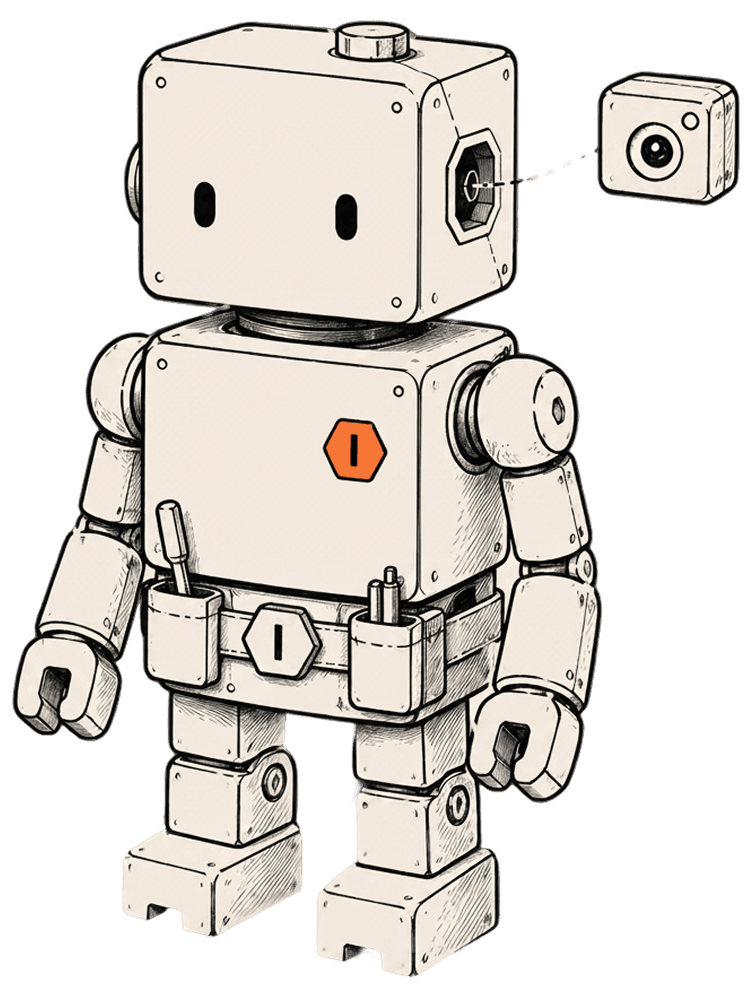
Auggy — a modular pen-and-ink robot mascot, the runtime of augment-1
Quickstart

From zero to running.

Four commands, one API key, and you have a browser chat agent on localhost:8080.

Prerequisites: Bun 1.2+, Node 20.17+, and an Anthropic, OpenAI, OpenRouter, or Ollama model.

Read the full README →
  1. 01

    Install Auggy

    npm i -g auggy
  2. 02

    Scaffold an agent

    auggy create my-agent
  3. 03

    Open the agent

    cd my-agent # set ANTHROPIC_API_KEY in .env
  4. 04

    Run it

    auggy run # → /console/chat
  5. Next — auggy augment list, auggy augment add knowledge, or auggy deploy.

4

commands to a running local agent

3

stable add-ons after first chat: knowledge, notify, Telegram

1

Railway command to deploy the current agent

OSS v1.0 DX path · create → configure → run · apache-2.0

Differentiators

Why build on a runtime instead of another SDK wrapper.

Auggy isn't a wrapper around the SDKs. It's a kernel with composable primitives — and the surface stays small because every capability is the same shape underneath.

Create first. Compose second.

The default agent starts as local chat. Add knowledge, notify, Telegram, or custom augments after the first run works.

Multi-engine by config.

Anthropic, OpenAI, OpenRouter, and Ollama. Swap providers in agent.yaml without rewriting the agent.

Agent projects are real projects.

Each agent has agent.yaml, identity.md, .env, skills, augments, data, and its own package.json.

Augments, not one-off glue.

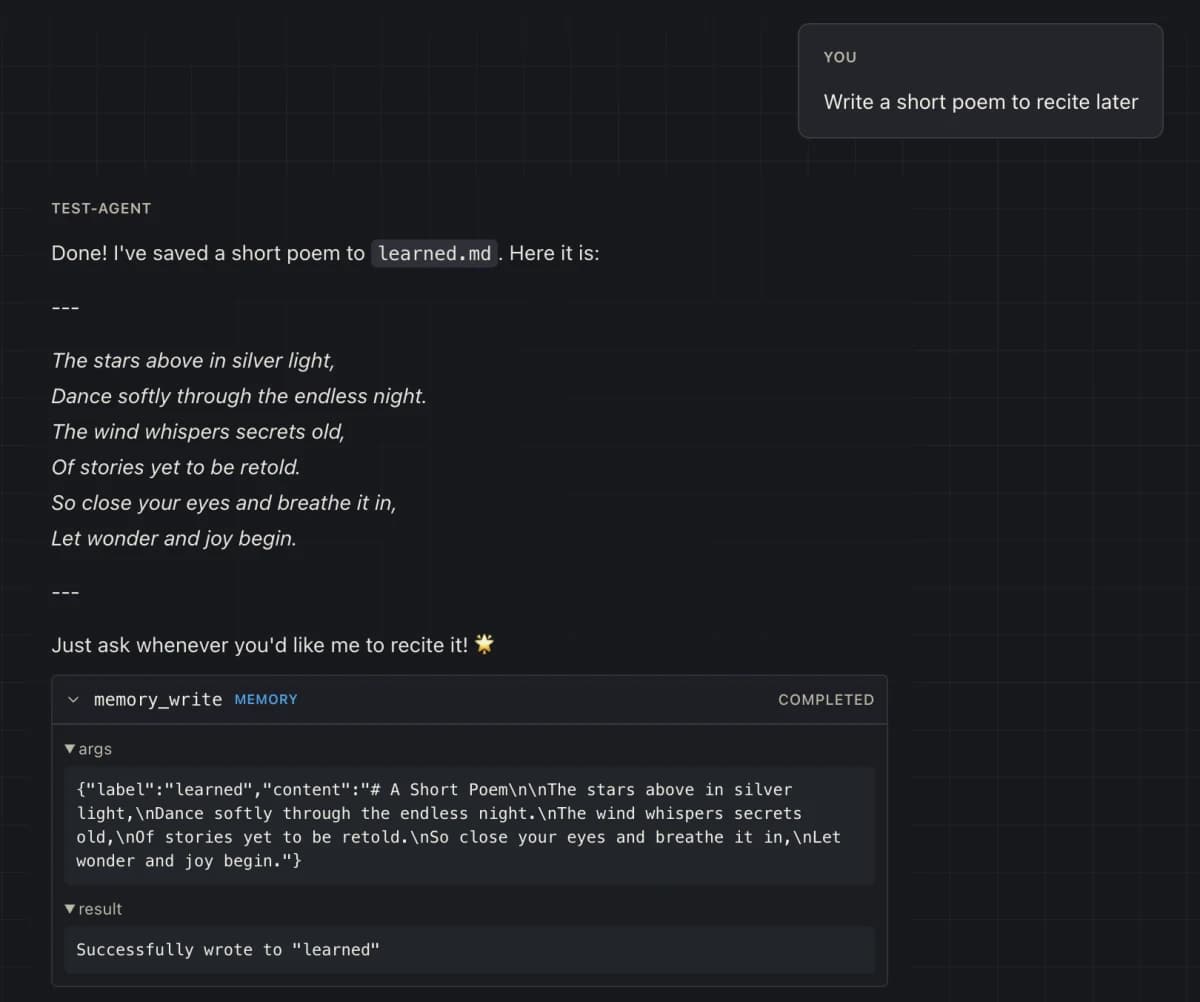
Memory, tools, transports, knowledge, and notifications share one runtime primitive.

Deploy is part of the path.

Railway deploy stages the current agent, pushes secrets, mounts data, waits for deployment, and checks health.

Self-hosted by default.

Run locally, keep per-agent secrets in .env, and ship the same agent directory to production.

Inside the kernel

Core runtime. Stable add-ons. Custom augments.

The kernel stays small. Capabilities arrive as augments.

            ┌───────────────── augments ─────────────────┐
            │                                            │
   identity ●──┐                                  ┌──● filesystem
   learned  ●──┤                                  ├──● webTransport
   knowledge●──┤        ┌──────────────┐          ├──● webFetch
   notify   ●──┤        │   KERNEL     │          ├──● custom
            ●──┘        │   ~1k LOC    │          └──● write-your-own
                        └──────┬───────┘
                               │
            ┌──────────────────┴──────────────────┐
            │              engines                 │
            │ anthropic · openai · openrouter · ollama
            └──────────────────────────────────────┘
knowledgestable

Local markdown and API-backed sources exposed through a knowledge_fetch tool.

toolscontext
notifystable

Outbound operator alerts. Starts locally with notifications.jsonl.

toolsmessages
telegramTransportstable

Bidirectional Telegram chat with creator user IDs from .env.

transport
filesystemcore

Scoped file access plus the skills directory the agent can read.

tools
webTransportcore

Local browser chat, console, health, and home routes.

transport